
Mastering Traditional Thai Massage Techniques Overview

Stepping into the world of traditional Thai massage feels like entering a sanctuary of calm and healing. The gentle rhythm of flowing movements, the subtle pressure applied along energy lines, and the serene atmosphere all invite a deep sense of relaxation. I find myself drawn to the art of this ancient practice, eager to master its techniques and share its benefits with others seeking luxurious, personalized wellness experiences.
Traditional Thai massage is more than just a physical treatment. It is a holistic journey that harmonizes body, mind, and spirit. As I explore its methods, I discover how each movement and stretch is designed to release tension, improve circulation, and awaken vitality. This post will guide you through the essential aspects of mastering traditional Thai massage techniques, offering practical insights and soothing wisdom.
Traditional Thai Techniques Overview
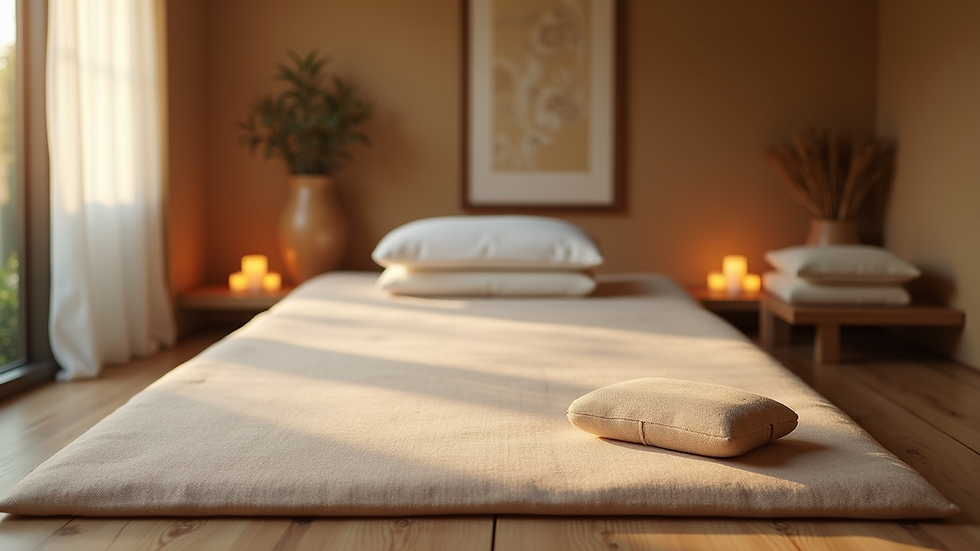
Traditional Thai massage combines acupressure, assisted yoga postures, and deep stretching. It originated over 2,500 years ago and has been passed down through generations, blending influences from Indian Ayurvedic medicine and Chinese healing arts. The massage is performed on a mat on the floor, allowing the practitioner to use hands, thumbs, elbows, knees, and feet to apply pressure and guide stretches.
The core of this technique lies in the concept of "Sen" lines - energy pathways that flow through the body. By stimulating these lines, the massage helps unblock energy flow, promoting balance and wellness. The practitioner moves with a rhythmic flow, alternating between gentle rocking, firm pressure, and slow stretching.
To master these techniques, one must develop a keen sense of touch and body awareness. It requires patience, practice, and respect for the body's natural limits. Learning to read the body's responses and adjusting pressure accordingly is key to providing a safe and effective massage.
Begin with warm-up movements to relax muscles.
Use palms and thumbs to apply steady pressure along Sen lines.
Incorporate gentle stretches to increase flexibility.
Maintain a calm, steady breathing pattern to enhance relaxation.

Essential Techniques to Practice
Mastering traditional Thai massage techniques involves a blend of skill, intuition, and knowledge. Here are some foundational techniques to focus on:
Palming and Thumb Pressing
Using the palms and thumbs, apply firm but gentle pressure along the energy lines. This helps release muscle knots and stimulates circulation. Start with broad strokes to warm the muscles, then move to targeted pressure points.
Assisted Yoga Stretches
Guide the recipient through slow, controlled stretches. These stretches open joints and lengthen muscles, improving flexibility and reducing stiffness. Always communicate and ensure the stretches are comfortable.
Rhythmic Rocking
Incorporate gentle rocking motions to soothe the nervous system. This technique creates a calming effect, helping the body to relax deeply.
Elbow and Knee Pressure
For deeper muscle work, use elbows and knees to apply pressure on larger muscle groups. This should be done carefully to avoid discomfort.
Breath Synchronization
Encourage synchronized breathing between practitioner and recipient. This enhances the connection and deepens relaxation.
Practicing these techniques regularly builds confidence and sensitivity. Remember, the goal is to create a nurturing experience that leaves the body feeling renewed and balanced.
Can You Get a Massage if You Have High Blood Pressure?
This is a common question that deserves careful consideration. Massage can be incredibly beneficial for stress reduction and circulation, but certain health conditions require caution.
If you have high blood pressure, it is important to consult your healthcare provider before receiving a massage. Generally, gentle massage techniques are safe and can help lower stress levels, which may positively impact blood pressure.
However, avoid deep tissue or vigorous massage that might cause sudden changes in blood pressure or heart rate. Inform your massage therapist about your condition so they can tailor the session accordingly.
Here are some tips for those with high blood pressure considering massage:
Opt for gentle, soothing techniques rather than deep pressure.
Avoid massage immediately after meals or intense physical activity.
Stay hydrated before and after the session.
Communicate openly with your therapist about any discomfort.
By taking these precautions, massage can be a wonderful complement to your wellness routine, promoting relaxation and overall well-being.

Creating a Luxurious and Personalized Experience
Mastering traditional Thai massage techniques is not only about physical skill but also about crafting an atmosphere of warmth and care. Every detail contributes to the overall experience, from the choice of oils and music to the lighting and room temperature.
Here are some ways to elevate the massage experience:
Use natural, soothing scents like lavender or lemongrass to enhance relaxation.
Play soft, calming music that complements the rhythm of the massage.
Maintain a comfortable room temperature and provide cozy blankets.
Personalize the session by asking about preferences and areas of tension.
Encourage mindful breathing and moments of stillness during the massage.
By attending to these elements, the massage becomes a holistic ritual that nurtures both body and soul. The recipient feels valued and cared for, deepening the sense of peace and rejuvenation.
Embracing the Journey of Mastery
Mastering traditional Thai massage techniques is a rewarding journey that unfolds with each practice session. It invites patience, mindfulness, and a genuine desire to heal. As I continue to refine my skills, I appreciate the profound connection this art fosters between practitioner and recipient.
Whether you are learning for personal growth or professional development, remember that every touch carries intention. The beauty of traditional Thai massage lies in its ability to restore balance and invite tranquility.
I encourage you to explore these techniques with an open heart and steady hands. Let the gentle flow of energy guide you, and may your practice bring comfort and joy to those you touch.
Tuptim Herbal Day Spa remains dedicated to offering luxurious Thai massage experiences that honor this ancient tradition. We invite you to discover the transformative power of personalized relaxation and wellness through the art of traditional Thai massage.
For more information on traditional thai massage techniques, visit our website and begin your journey to deep relaxation today.


Comments